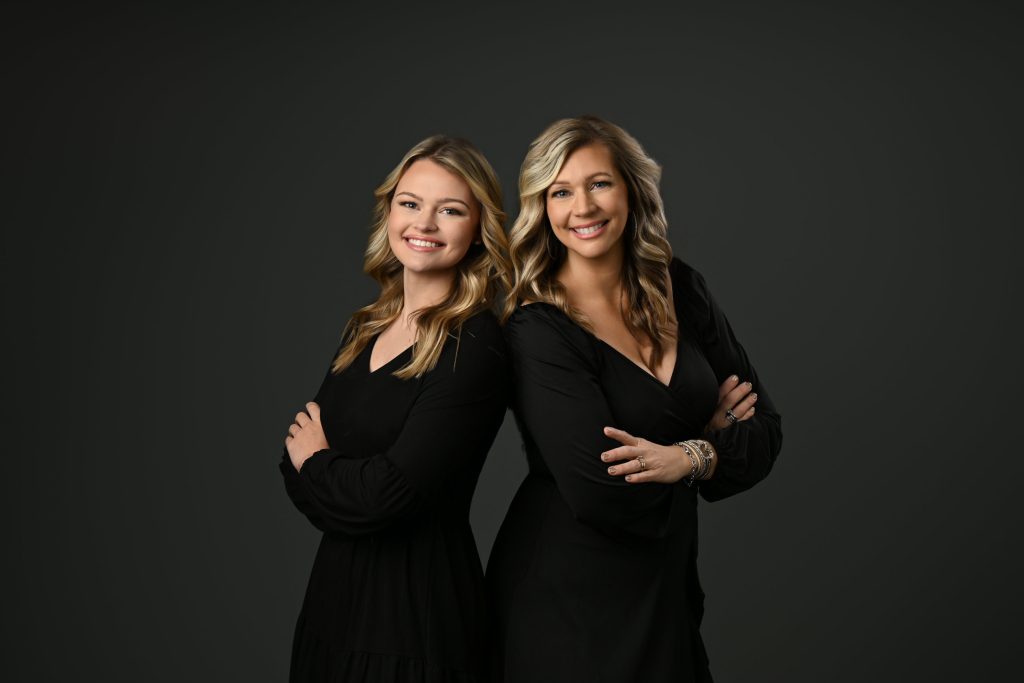
For many business professionals, updating a headshot is one of those tasks that stays on the to-do list much longer than expected. You know your current photograph is outdated. Maybe your hairstyle has changed, your business has grown, or your career has moved into a completely different season. Yet scheduling a photography session still feels easy to postpone.
Part of the hesitation often comes from not knowing what to expect.
You may wonder what you are supposed to wear, how formal your headshot should look, whether you need professional hair and makeup, or what you are supposed to do with your hands once you are standing in front of the camera.
For women balancing careers, businesses, families, and busy schedules, finding time for professional headshots can feel like just one more appointment to arrange. However, your professional photograph is often working for you long before you ever meet a client, patient, employer, or business connection in person.
Someone may see your image on your company website before calling your office. A potential client may look at your LinkedIn profile before sending a message. Your photograph might appear in an email signature, online directory, speaking announcement, business card, social media profile, or professional bio.
In each of those situations, your headshot quietly helps shape a first impression.
Professional headshots for business professionals should feel polished without feeling stiff. They should reflect your role, personality, industry, and the way you want clients or colleagues to experience you.
For professionals throughout Huntingdon, State College, Altoona, Bedford, and other Central Pennsylvania communities, a thoughtfully planned headshot session can provide much more than one updated profile picture. It can give you a collection of professional photographs you can confidently use throughout your business, career, and personal brand.
What Makes a Good Headshot for a Business Professional?
A strong professional headshot is a clear, well-lit portrait that represents both who you are and how you want to be perceived professionally.
That sounds simple, but creating the right image involves several decisions.
Your Headshot Should Match Your Professional Role
A professional headshot for an attorney may have a different feel than one created for a real estate professional, hairstylist, medical provider, financial advisor, entrepreneur, teacher, or creative business owner.
Some professions call for a more traditional portrait with a neutral background, tailored clothing, and a polished expression. Other businesses benefit from a warmer, more conversational image created in an office, outdoors, or in a location connected to the brand.
There is not one universal style that works for every professional.
The goal is to create photographs that make sense for the people you serve.
If your work depends heavily on trust and personal relationships, you may want an approachable smile and comfortable body language. If you work in a highly formal industry, a more refined and structured portrait may better support your professional image.
A Professional Headshot Is More Than a Passport-Style Photograph
Modern business headshots do not have to mean standing perfectly straight against a plain wall.
While a simple studio portrait can be an excellent choice, professional photography can also include several poses, different expressions, close-up headshots, three-quarter portraits, and even wider branding-style images.
This gives you more flexibility when using your photographs.
A tightly cropped image might work perfectly for LinkedIn, while a wider portrait could be used on your website’s About page. A horizontal photograph may fit a website banner or marketing layout better than a traditional vertical headshot.
Creating several options during your session helps your photographs remain useful across multiple platforms.
Your Headshot Should Still Look Like You
Retouching and professional lighting can help create a polished image, but the goal should never be to make you look like a completely different person.
Clients should be able to recognize you when they meet you.
Natural skin texture, genuine expressions, and comfortable posing often create stronger professional portraits than photographs that feel overly edited or excessively formal.
A great headshot should look like the confident, well-rested, professional version of yourself.
How to Get the Best Results From Your Business Headshot Session
The most successful professional portraits usually begin before the camera ever comes out.
A little planning can make your session feel easier and can give you photographs that remain useful for years.
Start With Where the Photographs Will Be Used
Before choosing clothing or locations, think about how you plan to use your images.
Common uses include:
LinkedIn profiles, company websites, business cards, email signatures, professional directories, social media, speaking engagements, marketing materials, press releases, employee pages, and online booking profiles.
Knowing where your photographs will appear helps determine how the session should be planned.
For example, a professional who primarily needs a LinkedIn image may only need a clean, traditional portrait. A business owner updating an entire website may benefit from headshots plus several wider personal branding photographs.
Choose Clothing That Supports Your Professional Image
What you wear plays an important role in how your final headshot feels.
Start with clothing that fits well and makes you feel confident.
Solid colors often photograph beautifully because they keep attention on your face. Navy, charcoal, cream, burgundy, muted green, black, and soft neutrals are reliable options for many professionals.
However, your wardrobe does not have to be colorless.
If your business has a warmer or more creative personality, incorporating color can help your photographs feel more personal.
Layers are also useful. A blazer, cardigan, structured jacket, or vest can quickly change the look of an outfit without requiring a complete wardrobe change.
Try to avoid clothing with extremely small patterns, oversized logos, distracting graphics, or details that may compete with your face.
Bring More Than One Outfit When Possible
Having a second outfit can significantly increase the variety from your session.
One outfit might be more formal, while another feels relaxed and conversational.
For example, a business professional could begin with a blazer and blouse, then remove the blazer for a softer look. A business owner might bring one outfit for professional headshots and another that better represents everyday interactions with clients.
This type of variety makes your image collection more useful.
Pay Attention to Fit and Comfort
Clothing that looks great while standing in front of a mirror may feel different when sitting, turning, or leaning during a portrait session.
Try your outfit on ahead of time and move around in it.
Sit down. Cross your arms. Turn slightly. Raise your shoulders. Make sure the clothing stays comfortable and flattering.
If you are constantly adjusting your shirt, pulling on a jacket, or worrying about how something fits, it becomes much harder to relax in front of the camera.
Keep Hair and Makeup Recognizable
Professional hair and makeup can be helpful, but it is not required.
If you usually wear makeup, your headshot session is generally not the best time to experiment with a dramatic new style.
A polished version of your normal look usually photographs beautifully.
Pay particular attention to hair near your face and eyes. Freshly styled hair can help create a polished appearance, but avoid making major changes immediately before your session if you are unsure how you will feel about them.
Think About Your Location
Headshots can be photographed in a studio, office, business environment, or outdoor setting.
Each option creates a different impression.
A studio offers consistency and simplicity. An office can provide context and reinforce your professional role. Outdoor locations can create a relaxed, welcoming appearance.
Business professionals in Huntingdon, State College, Altoona, Bedford, and nearby Central Pennsylvania communities may benefit from photographs that subtly connect them to their environment without allowing the background to become distracting.
The best location is usually the one that supports your professional identity.
Schedule With Enough Time to Avoid Feeling Rushed
Try not to schedule your headshot between tightly packed meetings or appointments.
Even a relatively short professional portrait session feels easier when you are not watching the clock.
Give yourself enough time to arrive, make small wardrobe adjustments, fix your hair, and settle into the session.
Being relaxed makes a noticeable difference in your expressions.
Common Business Headshot Mistakes to Avoid
Professional portraits are often simple, but a few common mistakes can limit how useful your final photographs become.
Waiting Too Long to Update Your Photograph
One of the most common issues is simply using the same headshot for too many years.
If someone might hesitate when trying to recognize you from your photograph, it is probably time for an update.
Changes in hairstyle, glasses, weight, facial hair, career position, or professional branding can all be good reasons to schedule new headshots.
You may also want to update your portraits if your business has changed significantly.
A headshot taken when you were working for another company may no longer represent the professional image you want as a business owner or executive.
Choosing Clothing Only Because It Feels Professional
Professional does not automatically mean formal.
Wearing something completely outside your normal style may make you feel uncomfortable and can create an image that does not accurately represent you.
A therapist, designer, photographer, attorney, financial professional, and construction company owner may all need different levels of formality.
Your clothing should make sense for your actual business environment.
Overthinking Your Expression
Many people become very aware of their smile during professional photographs.
They start thinking about whether they are smiling enough, smiling too much, or showing the right amount of teeth.
That level of concentration usually makes expressions feel less natural.
A photographer can help guide your expression through conversation and subtle direction rather than simply asking you to “smile.”
Small adjustments in your eyes, chin, shoulders, and posture can completely change the feeling of a portrait.
Using Cropped Event Photographs as Headshots
Sometimes a photograph from a wedding, conference, or family event looks good enough that it becomes a temporary professional profile image.
The problem is that these photographs were rarely created specifically for professional use.
The crop may feel awkward, the lighting may not flatter your face, or another person’s shoulder may still be visible in the frame.
A dedicated professional headshot creates a cleaner and more intentional presentation.
Only Taking One Type of Photograph
If you are already investing time in a professional photography session, it is worth creating some variety.
Different expressions, poses, crops, and orientations can give you much more flexibility.
That does not mean you need hundreds of photographs.
Even a small collection of carefully planned images can serve your business better than one single headshot.
Professional Headshot Tips From a Photographer’s Perspective
Photographers see people arrive for sessions feeling nervous all the time.
One of the biggest things to remember is that you do not need to know how to pose.
That is part of the photographer’s job.
Small Adjustments Matter More Than Dramatic Poses
Business headshots rarely require complicated posing.
Instead, small changes can make a major difference.
Turning your shoulders slightly, shifting your weight, adjusting the angle of your chin, relaxing your fingers, or leaning subtly toward the camera can create a much more confident portrait.
These movements may feel almost unnoticeable during the session, but they often change how the photograph looks.
Think About Approachability as Well as Authority
Many professionals focus heavily on looking capable and professional, which makes sense.
However, clients also want to feel comfortable contacting you.
A good business headshot often balances professionalism with warmth.
This is particularly important for service-based businesses where clients interact directly with you.
Healthcare professionals, real estate agents, consultants, photographers, educators, financial professionals, and small business owners often benefit from images that communicate both competence and approachability.
Consider Your Entire Online Presence
Before your session, look at your website and social media profiles.
Do the colors and overall style feel consistent?
If your business website is bright, warm, and conversational, a dark corporate headshot may feel disconnected.
Likewise, a very casual outdoor portrait may look out of place on the website of a highly formal professional firm.
Creating visual consistency helps strengthen your brand.
Ask for Both Vertical and Horizontal Options
Different platforms use images differently.
LinkedIn generally works well with a tightly cropped square or vertical image. Websites often need horizontal photographs.
Creating both orientations during the session gives you more flexibility when updating your marketing materials later.
Do Not Forget About Your Team
If you own or manage a business, individual headshots may only be part of what you need.
Consistency across employee photographs can make a company website look much more professional.
Using similar lighting, backgrounds, framing, and editing creates a cohesive appearance even when employees are photographed at different times.
Businesses in Huntingdon, State College, Altoona, Bedford, and throughout Central Pennsylvania can also schedule team photography when several employees need updated professional portraits.
What to Expect During a Professional Headshot Session
Knowing what happens during the session can remove much of the anxiety around booking.
Professional headshot photography should feel guided from beginning to end.
You Will Start With a Quick Conversation
Before photographing, your photographer may ask how you plan to use the images, what type of impression you want to create, and whether there is anything you feel nervous about.
This is also the time to discuss your clothing, background preferences, or any specific photographs your business needs.
The more your photographer understands about your role and goals, the easier it becomes to create images that feel appropriate.
You Will Receive Direction
You will not be expected to arrive knowing what to do.
Your photographer will guide you through posture, positioning, where to look, and how to adjust your expression.
You may be asked to make very small movements between photographs.
This creates subtle variations without forcing you into poses that feel unnatural.
The Session Will Usually Become Easier as It Goes
The first few photographs are often simply about getting comfortable.
Most people relax quickly once they realize they do not need to perform for the camera.
Conversation helps.
Instead of focusing entirely on the photograph being taken, you may talk about your work, your family, your business, or what you enjoy about living and working in Central Pennsylvania.
Natural conversation often produces some of the strongest expressions from the session.
You May Create Several Different Looks
Depending on the type of session you choose, you may change outfits, backgrounds, or locations.
You could begin with a traditional headshot and then move into wider professional portraits.
Business owners may also create images at a desk, walking through their office, working with products, or interacting naturally in their environment.
The goal is to leave with photographs that give you options.
Professional Headshots in Huntingdon, State College, Altoona, and Bedford, PA
Your professional headshot is often one of the first visual introductions people have to you.
It may appear beside your name on LinkedIn, on your company’s website, in an online directory, or in an email before you ever speak to someone directly.
That photograph should represent the professional you are today.
At Megan Photography, we photograph business professionals throughout Huntingdon, State College, Altoona, Bedford, and surrounding Central Pennsylvania communities. Our goal is to create professional portraits that feel polished, natural, and genuinely connected to the person in front of the camera.
You do not need to know how to pose. You do not need to arrive with the perfect expression ready. And you do not need to feel completely comfortable in front of a camera before scheduling your session.
We will guide you through the process.
Whether you need one professional headshot for LinkedIn, updated photographs for your company’s website, portraits for marketing materials, or a broader collection of personal branding images, we can plan a session around how the photographs will actually be used.
If it has been several years since your last headshot, your career has changed, or your current photograph simply no longer feels like you, this may be the right time to update it.
Browse the Megan Photography portfolio to see examples of professional portrait work and get a feel for our photography style.
If you are located in Huntingdon, State College, Altoona, Bedford, or elsewhere in Central Pennsylvania, reach out to ask about availability, session options, wardrobe questions, locations, or team headshots.
A professional headshot does not need to feel intimidating.
With the right preparation and guidance, your session can be relaxed, efficient, and even enjoyable, leaving you with photographs you are excited to use wherever your business or career takes you next.