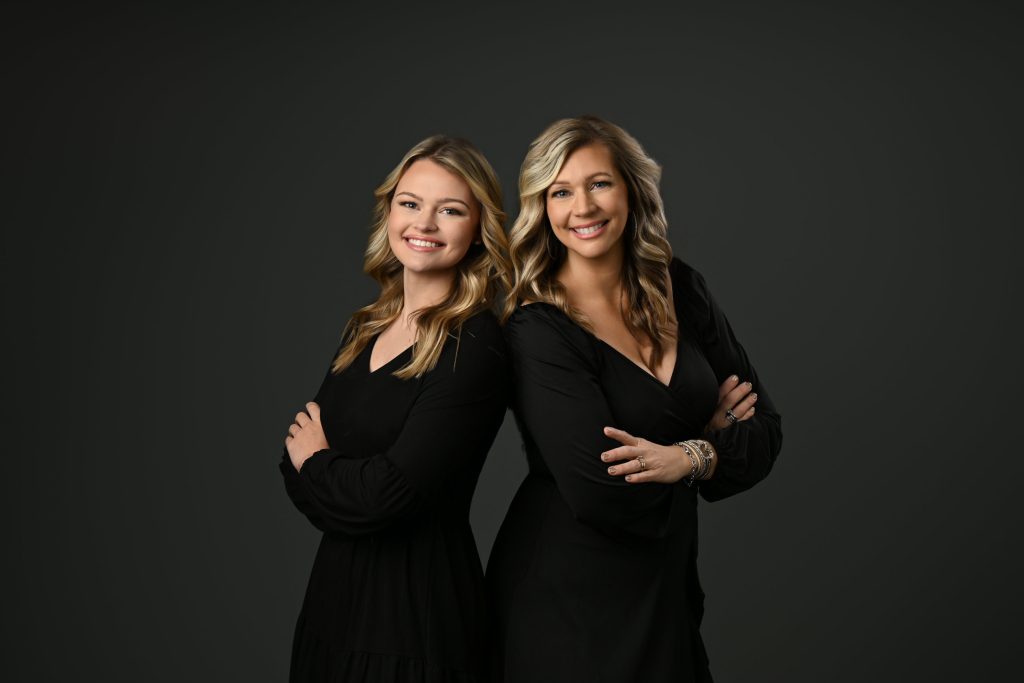
At some point, nearly everyone needs a photograph that feels a little more polished than the picture currently sitting in their phone’s camera roll.
Maybe you are updating your LinkedIn profile after changing careers. Maybe your company asked for a new photo for the team page. Perhaps you own a small business in Huntingdon, State College, Altoona, or Bedford and need a professional image for your website. You might be preparing to speak at an event, launch a personal brand, update your real estate profile, or simply replace the headshot you have been using for the last seven years.
That is often when people start wondering, what is a professional headshot, exactly?
A professional headshot is more than a tightly cropped photograph of your face. It is a carefully planned portrait designed to communicate who you are, what you do, and how you want to be perceived. Lighting, posing, expression, wardrobe, background, and even the way the image is cropped all work together to create a polished photograph that can represent you professionally.
For many women, the hardest part is not deciding that they need a headshot. It is figuring out how to make the photo actually look and feel like them.
You may worry that professional headshots will look stiff, overly corporate, or uncomfortable. You may wonder what to wear, whether you should smile, how much makeup is appropriate, or what to do with your hands.
Those concerns are completely normal.
A great professional headshot should feel polished without feeling fake. It should look intentional without looking overproduced. Most importantly, it should still look like you.
For professionals throughout Huntingdon, State College, Altoona, Bedford, and the surrounding Central Pennsylvania communities, professional headshot photography can help create a strong first impression before you ever meet someone in person.
What Is a Professional Headshot?
A professional headshot is a portrait created specifically for professional or business use.
Traditionally, headshots focus primarily on the face and shoulders. Modern professional headshots, however, may include slightly wider compositions that show more of the upper body, depending on how the photographs will be used.
The goal is not simply to create a flattering photograph. The goal is to create an image that visually represents your professional identity.
Professional Headshots Have a Purpose
A professional headshot may be used on:
LinkedIn profiles, company websites, business cards, email signatures, social media profiles, speaker biographies, real estate listings, medical practice websites, professional directories, marketing materials, press releases, personal branding websites, and conference programs.
Because these images often appear in several places, they need to be versatile.
A photograph that looks great on LinkedIn should ideally also work on an About page, printed marketing materials, and professional social media accounts.
This is one reason professional headshot photography is different from simply asking a friend to take a good picture outside.
A Headshot Communicates Before You Speak
People form impressions quickly when they visit a website or social media profile.
Your headshot helps answer questions before a potential client or employer reads a single sentence.
Do you appear approachable?
Do you look confident?
Does the image feel professional?
Does the photograph match the industry you work in?
A financial advisor may want a polished, trustworthy look. A wedding planner may want something warm and stylish. A healthcare professional might want a friendly, reassuring expression. A creative business owner may prefer something relaxed and modern.
There is no single expression, background, or wardrobe choice that makes a photograph professional.
The right choices depend on your goals.
Headshots and Branding Portraits Are Slightly Different
Professional headshots and branding photography often overlap, but they are not exactly the same.
A headshot typically focuses closely on the person.
Branding portraits may include wider compositions, different outfits, environmental settings, working photographs, and more lifestyle-oriented images.
If you own a business or are building a personal brand, it can often be helpful to capture both during the same photography session.
That gives you a traditional professional headshot along with additional photographs for websites, social media, newsletters, and marketing materials.
How to Get the Best Results From Your Professional Headshot
The most natural-looking professional headshots usually come from preparation rather than complicated posing.
Knowing what you want your headshot to communicate makes almost every other decision easier.
Decide Where You Will Use the Photographs
Before your session, think about where the images will appear.
If you primarily need a LinkedIn headshot, a clean portrait with a simple background may be perfect.
If the photographs will appear on your business website, you may want several versions, including close headshots, horizontal images, and slightly wider portraits.
If you are developing a personal brand, you may want photographs with different expressions and clothing options.
Tell your photographer how you plan to use the images. That information helps determine composition, orientation, backgrounds, and posing.
Choose Clothing That Looks Like You
Professional does not have to mean wearing a suit.
The best outfit is usually something that reflects how you would realistically dress when meeting an important client, customer, or colleague.
For some professions, that may mean a blazer and blouse. For others, it may be a sweater, dress, button-up shirt, or polished casual outfit.
Solid colors generally photograph beautifully because they keep attention on your face.
Simple textures can also work well.
Extremely busy patterns, large logos, or distracting graphics can compete with your expression.
Bringing multiple wardrobe options can be helpful, particularly if you need your photographs for different purposes.
You might begin with a blazer for a more traditional professional image, then remove the jacket for something warmer and more relaxed.
Think About Color
Color affects the overall feeling of your headshot.
Neutral colors such as navy, cream, charcoal, black, beige, and soft gray can create a timeless look.
Jewel tones such as burgundy, emerald, and deep blue can photograph beautifully while adding personality.
Lighter colors can create a softer, approachable appearance.
Your photographer can also help consider how your wardrobe will work with the selected background.
Pay Attention to Fit
Fit often matters more than price.
A simple blouse or blazer that fits properly will usually photograph better than an expensive outfit that pulls, wrinkles, or shifts awkwardly.
Try your clothing on several days before the session.
Sit down, raise your arms, turn sideways, and make sure you still feel comfortable.
If you spend the entire session adjusting your clothing, it will be harder to relax in front of the camera.
Keep Hair and Makeup Natural
Professional headshot makeup usually works best when it looks like a polished version of your everyday appearance.
You do not necessarily need heavier makeup simply because you are being photographed.
Instead, focus on evening skin tone, defining the eyes, and choosing colors that make you feel confident.
If you normally wear minimal makeup, you do not need to dramatically change your look for your session.
Hair should also reflect how you usually wear it professionally.
Your headshot should still look like the person who arrives at the meeting.
Good Lighting Makes a Major Difference
Lighting is one of the biggest differences between a casual photograph and a professionally created headshot.
Professional photographers shape light carefully to create flattering dimension in the face, soften shadows, and highlight the eyes.
Depending on the session, lighting may come from studio equipment, window light, or natural outdoor light.
The goal is not to make you look dramatically different.
The goal is to photograph you in a flattering, intentional way.
Posing Should Feel Natural
Many people believe they are uncomfortable in photographs because they are “not photogenic.”
Usually, they simply have not been professionally directed.
Small adjustments make a significant difference.
Turning your shoulders slightly, shifting your weight, adjusting your chin, or changing the angle of your face can dramatically improve a portrait.
A professional photographer watches those details throughout the session.
You should not be expected to know how to pose yourself.
Expression Matters
One of the most important parts of a headshot is expression.
A big smile is not always required.
Depending on your profession, you might want a warm smile, a relaxed expression, or a more confident and composed look.
Often, capturing several expressions gives you the greatest flexibility.
You may prefer a friendly photograph for social media and a slightly more formal version for your company website.
Common Professional Headshot Mistakes to Avoid
Even small decisions can affect how polished a headshot feels.
Fortunately, most common headshot mistakes are easy to avoid with a little planning.
Using an Old Photograph
One of the most common mistakes is continuing to use a headshot that no longer reflects your current appearance.
A headshot from ten years ago may still be flattering, but it can create an awkward disconnect when someone meets you in person.
Your professional image should look like you now.
If your hairstyle, appearance, career, or brand has changed significantly, it is probably time for an updated photograph.
Cropping a Casual Photograph
Sometimes people take a group picture or vacation photograph and crop everyone else out.
Technically, this gives you a photograph of your face.
It does not usually create a professional headshot.
The background may be distracting. The lighting may be inconsistent. The resolution might be poor. Your body angle may look awkward after cropping.
Professional headshots are intentionally photographed with the final crop in mind.
Choosing Clothing You Would Never Normally Wear
If you never wear structured corporate clothing, you do not necessarily need to suddenly wear it for your headshot.
Your photograph should feel authentic to your profession and personality.
A business owner who normally meets clients wearing stylish business casual clothing may look far more natural in that wardrobe than in a formal suit.
Professional does not mean identical.
Waiting Until the Last Minute
Another common mistake is scheduling headshots only when someone suddenly asks for one.
Maybe your employer needs a photograph by Friday, or you discover that your upcoming conference requires a speaker photo.
Whenever possible, update your headshot before you urgently need it.
That gives you time to choose clothing, schedule hair appointments if desired, and prepare without unnecessary stress.
Trying Too Hard to Pose
People often become stiff when they think they need to “look professional.”
Shoulders rise. Smiles become forced. Hands tighten.
Good posing should feel guided and conversational.
You do not need to memorize poses before your session.
Your photographer should direct you throughout the process.
Professional Headshot Tips From a Photographer’s Perspective
The best headshot sessions are collaborative.
You bring your personality and professional goals. Your photographer brings experience with posing, lighting, composition, and expression.
Together, those pieces create images that feel intentional.
Bring More Than One Outfit
Even if you only need one final headshot, bringing several wardrobe options gives you flexibility.
A photographer may notice that one neckline photographs more cleanly or that a particular color works beautifully with the background.
If your session allows multiple looks, wardrobe changes can also make the gallery more useful.
For example, you might photograph a polished blazer first, followed by a softer sweater or blouse.
Those images can serve different purposes while still maintaining a consistent professional brand.
Think Beyond LinkedIn
Before your session, consider every place you might need professional photographs during the next year.
Your website may need horizontal images.
LinkedIn typically uses a square or circular crop.
Marketing materials may require vertical photographs.
Social media graphics often benefit from images with open space beside the subject.
Capturing several compositions during the session gives you options later.
Tell Your Photographer What You Are Nervous About
If you feel awkward in photographs, say so.
If you are self-conscious about a particular feature, mention it.
Professional photographers work with people who feel uncomfortable in front of the camera all the time.
Clear communication helps your photographer adjust posing, camera angles, and direction so you feel more comfortable.
Consider Updating the Whole Team
For business owners throughout Huntingdon, State College, Altoona, Bedford, and Central Pennsylvania, consistent employee headshots can make a website feel considerably more polished.
If half the staff photographs were taken professionally and the other half were phone pictures, the team page can look inconsistent.
Creating coordinated headshots for the entire staff helps establish a cohesive visual identity.
Update Your Headshot Regularly
There is no exact rule for how often you should update your professional headshot.
For many people, every two to three years is reasonable.
You may want to update sooner if you significantly change your hairstyle, appearance, profession, or branding.
Business owners may also update photographs when redesigning a website or refreshing marketing materials.
What to Expect During a Professional Headshot Session
Professional headshot sessions are generally much easier and more relaxed than people expect.
You do not need previous modeling experience, and you do not need to arrive knowing what poses to use.
Before the Session
Preparation usually begins before you step in front of the camera.
You may discuss where the images will be used, what style you prefer, wardrobe ideas, background options, and the overall feeling you want.
This planning helps the photographer create images that actually fit your needs.
If you are unsure what to wear, bring options.
Seeing clothing in person can make choosing much easier.
Getting Comfortable
The beginning of the session is often about simply getting comfortable.
It may take a few minutes to relax into the process.
That is normal.
Your photographer will guide you through small adjustments to your shoulders, chin, posture, and expression.
You may be surprised by how subtle the movements are.
Professional posing rarely involves complicated positions. It is often about refining natural posture.
Capturing Different Expressions
During the session, you may photograph several variations.
You might start with a traditional smile, then try something more relaxed, followed by a confident neutral expression.
Small changes in expression can significantly change the mood of the portrait.
Having options allows you to select the photograph that best represents you.
Creating Variety
Depending on your headshot session, you may also create variety by changing clothing, backgrounds, poses, or compositions.
This is especially useful if you need photographs for both professional networking and business marketing.
Instead of leaving with one usable photograph, you can build a small library of professional images.
Choosing Your Final Images
Once the photographs are complete, you will typically select the images that best fit your needs.
When reviewing headshots, look beyond tiny details.
Ask yourself whether the photograph feels like you.
Does the expression feel natural?
Does it communicate confidence?
Would you feel comfortable using it on your website or sending it to a potential employer?
The strongest headshot is often the one that feels both polished and genuine.
Professional Headshots in Huntingdon, State College, Altoona, and Central Pennsylvania
A professional headshot is ultimately an introduction.
Before someone schedules a consultation, reads your biography, visits your office, or meets you at an event, they may see your photograph first.
That is why a professional headshot deserves more thought than simply finding a recent picture on your phone.
At Megan Photography, we believe professional portraits should feel polished, confident, and approachable while still looking like the person in front of the camera.
Whether you need a new LinkedIn photograph, an updated company headshot, portraits for your small business website, or professional branding images, your session can be planned around how you actually intend to use your photographs.
We work with clients throughout Huntingdon, State College, Altoona, Bedford, and surrounding Central Pennsylvania communities to create professional photography that feels natural rather than stiff.
If you have been putting off updating your headshot because you are unsure what to wear, how to pose, or whether you will feel comfortable in front of the camera, you do not need to figure everything out before booking.
That guidance is part of the photography experience.
We can talk through wardrobe ideas, session style, backgrounds, posing, expressions, and the types of photographs that will be most useful for your professional goals.
You can also view the Megan Photography portfolio to get a better feel for our photography style and approach.
If you are ready for a professional headshot that feels current, confident, and genuinely like you, reach out to Megan Photography to ask about headshot session availability in Huntingdon and throughout Central Pennsylvania.
Your professional photograph should do more than show what you look like.
It should help people feel like they already know who they are about to meet.